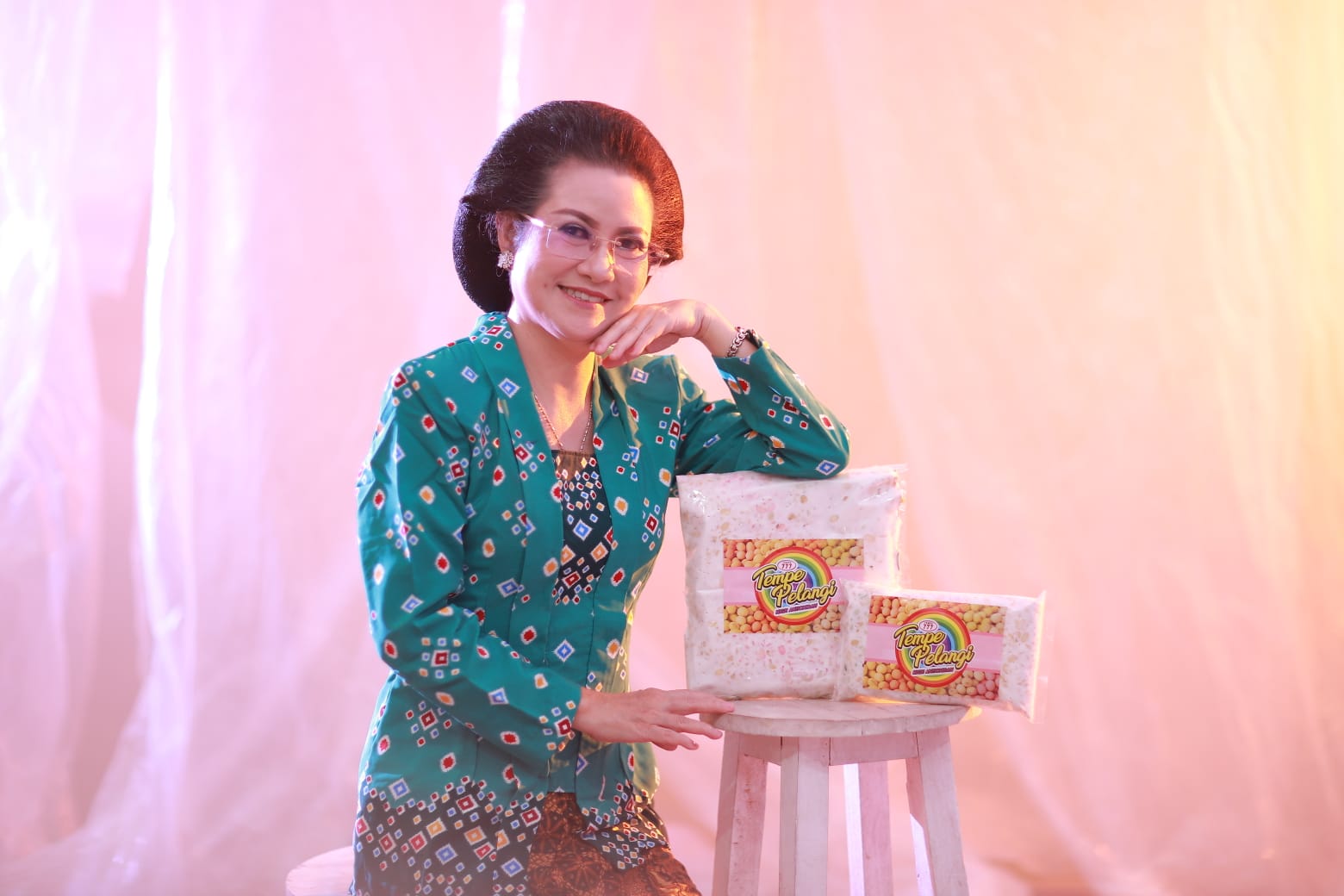
Dra. Lusiawati Dewi, M.Sc.

Riwayat Pendidikan

  • M.Sc., University of Amsterdam, Netherland
  • Dra., Universitas Kristen Satya Wacana, Salatiga

Dra. Lusiawati Dewi, M.Sc.

Dosen Program Studi Teknologi Pangan
lusiawati.dewi@unkartur.ac.id
Jl. Raden Patah No 182-192, Kel. Rejomulyo, Kec. Semarang Timur, Semarang, 50227

Biografi

Lusiawati Dewi’s research focuses on solid-state fermentation (SSF) as a robust, low-cost, and scalable bioprocessing platform for developing functional foods and sustainable food systems. SSF refers to microbial cultivation on moist solid substrates with minimal free water, distinguishing it from submerged liquid fermentation. This system is particularly relevant in tropical environments, where temperature and humidity conditions favor the growth of filamentous fungi. I am working in positions SSF not only as a traditional fermentation method but also as an adaptable and innovative technology for modern food science, especially in resource-limited and small-scale industrial contexts.

Profil Lusiawati Dewi

  • I am expertise lies in optimizing SSF parameters, including moisture content, aeration, substrate structure, and temperature control, to ensure consistent microbial performance and product quality. Central to her research is the application of key fermentation microorganisms such as Rhizopus oligosporus and Aspergillus oryzae, which play critical roles in enzymatic hydrolysis, flavor formation, and enhancement of nutritional value. I also explores the use of diverse agro-industrial substrates, including rice bran, cassava residues, and soybean by-products, transforming underutilized biomass into high-value fermented products within a circular bioeconomy framework.
  • A major component of my research uses Tempe as a model SSF system due to its global recognition, nutritional relevance, and technological simplicity. Through this model, I investigates protein bioavailability, microbial interactions, and process scalability, while also examining the broader comparative advantages of SSF over liquid fermentation systems, such as reduced energy consumption, lower capital investment, and enhanced sensory characteristics. Her work further extends into process innovation, including the development of controlled fermentation environments and semi-automated incubation systems to improve reproducibility, reduce contamination risks, and increase production efficiency.
  • In applied research, Lusiawati Dewi advances innovative fermentation products, including non-soy tempeh derived from local crops, functional tempe enriched with dietary fiber and bioactive compounds, and probiotic-enhanced fermentation systems incorporating beneficial bacteria. I also develops fermented ingredient platforms such as tempeh flour for use in food fortification and specialized nutrition. A strong emphasis is placed on zero-waste approaches, where fermentation by-products are repurposed into value-added outputs such as enzymes, functional beverages, or feed substrates, reinforcing sustainability principles across the production chain.
  • My research contributes to key global challenges, including food security, protein diversification, and sustainable processing technologies, while supporting the growth and resilience of small- and medium-scale food enterprises. By integrating traditional fermentation knowledge with modern scientific approaches, Lusiawati Dewi promotes SSF as a strategic pathway toward resilient, inclusive, and sustainable food innovation. Future directions of her work include the integration of precision fermentation techniques, microbial consortium engineering, and digital monitoring systems to enhance consistency, scalability, and functionality of SSF-based products in both local and global markets. The innovation of tempe bases food processing include adding natural ingredients to tempe fermentation to give the increasing of gizi.

Jurnal dan Artikel Ilmiah